It is that time of the year again. Even though it comes every year, it never fails to uplift the spirits of the young and old alike…
Typically falling sometime between October and November, as per the Hindu lunar calendar, Diwali is one of the brightest and most widely observed Hindu festivals within India and around the world.
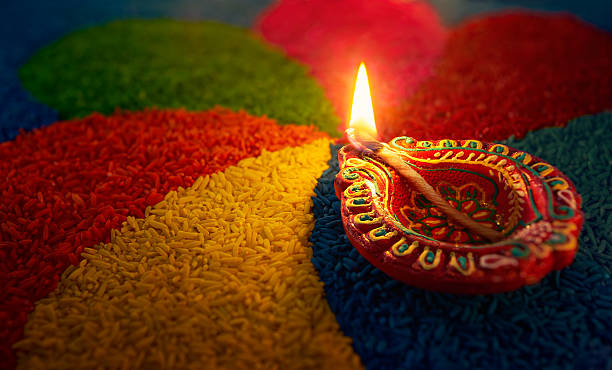
Deepam + Avali, meaning literally “a row of lights” in Sanskrit, the holiday is commemorated with the lighting of diya (clay lamps), and firecrackers as a way of symbolizing the victory of good over evil, knowledge over ignorance, and spiritual light over darkness.
How did Diwali come about? Ramayana says, the homecoming of Crown Prince Rama after the exile of 14 years was celebrated by the joyous citizens by lighting lamps all over the kingdom. Bhagavata purana says, the slaying of Narakasura by Sri Krishna is celebrated as of good over evil, knowledge over ignorance, and spiritual light over darkness. Either way, Diwali symbolizes not just the vanquishing of external but the inner darkness, as well.
Diwali is celebrated by gathering in local temples, homes, community centers, or any other appropriate spots in which they can spend time with friends and loved ones, make positive goals, and simply appreciate life. While this generally includes preparing celebratory foods, reciting prayers, and singing songs, it also involves honoring Vishnu, who is known as the sustainer of the universe, and the Goddess Lakshmi, who is known as the Goddess of wealth and prosperity.
This year, though the pandemic has transformed our lives, it could not stop our Diwali celebrations. We are going virtual in Syracuse, CNY. Wishing you all Happy Danteras! To watch Diwali program…
 JNANA MANDIR